
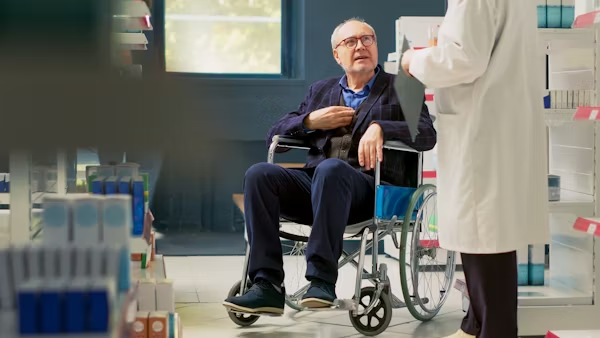
Living with chronic illness is challenging in the best of circumstances, but when you are in a situation where access to healthcare is limited such as in areas affected by disasters, conflict, or ongoing emergencies those challenges multiply.
This blog post aims to empower individuals living with chronic illnesses who face barriers to healthcare access by offering clear, actionable strategies to manage their conditions effectively.
Barriers To Managing Chronic Illnesses In Low-Access Settings
The first step in managing a chronic illness during hardship is understanding the specific barriers that affect care:
- Geographic Distance and Transportation Difficulties: Many people live far from health centers, with no reliable transport. Traveling long distances sometimes on foot or costly rides makes even routine check-ups hard to attend.
- Limited Healthcare Providers and Specialists: MClinics or hospitals may be understaffed or lack specialists needed for certain chronic disease management, leaving patients without expert care or diagnostic tools.
- Financial Constraints: When money is tight, buying medications regularly or paying for tests takes a back seat to basic needs like food and shelter. This affects treatment adherence and worsens health outcomes.
- Lack of Health Literacy: Limited information about managing chronic diseases can lead to misunderstandings, missed warning signs, and poor decisions.
- Social and Cultural Factors: Sometimes stigma, gender roles, or beliefs about illness interfere with seeking care or following medical advice.
Strategies for Effective Self-Management
Despite these challenges, many proven strategies can help people manage chronic diseases successfully even with limited healthcare access.
1. Medication Management: Taking medications correctly is essential for managing chronic illnesses.
- Organize your medicine schedule by using reminder notes.
- Set alarms or link medication times with daily routines like meals.
- Keep an emergency supply of essential medicines safely stored in case of sudden travel or supply disruptions.
- Always check expiration dates and try to refill prescriptions ahead of time when possible.
2. Monitoring Symptoms:
- Keeping track of how you feel day-to-day can prevent serious complications. Tools like a notebook or symptom diary can help record blood sugar levels, blood pressure, breathing difficulties, or pain.
- Recognizing warning signs early such as dizziness, chest pain, or persistent coughing means you can seek help before problems worsen.
3. Healthy Lifestyle Choices: Eating healthy with limited resources may seem tough, but some changes make a difference:
- Use locally, affordable foods rich in vegetables, fruits, and whole grains.
- Drink clean water and avoid sugary drinks.
- Engage in physical activity adapted to your condition such as walking, stretching, or gentle exercises.
- Avoid tobacco and excessive alcohol, which can worsen many chronic illnesses.
4. Utilizing Community Resources: Community pharmacies, health workers, and peer groups can be valuable allies.
- Pharmacists may offer advice or help find affordable medicines.
- Community health workers often provide education and support in local languages.
- Joining peer support groups allows sharing experiences, encouragement, and coping ideas.
5. Planning Regular Healthcare Visits
- Try to schedule check-ups periodically, even if it means longer travel or financial planning.
- Telehealth phone or video consultations may be an option if mobile networks or the internet are available. These visits help adjust treatments and monitor your condition safely.
Emergency Preparedness for Chronic Illness Patients
In disaster or conflict situations, having an emergency plan is life-saving.
1. Prepare a chronic illness emergency kit including your medications, medical records, contact details of healthcare providers, and basic supplies like a thermometer and glucose monitor if needed.
2. Plan how to continue your medication without interruption during crises or displacement. Talk to support groups or local agencies about emergency provisions.
3. Access social services, humanitarian aid, and nonprofit organizations offering medicines, counseling, or medical camps.
Featured Articles