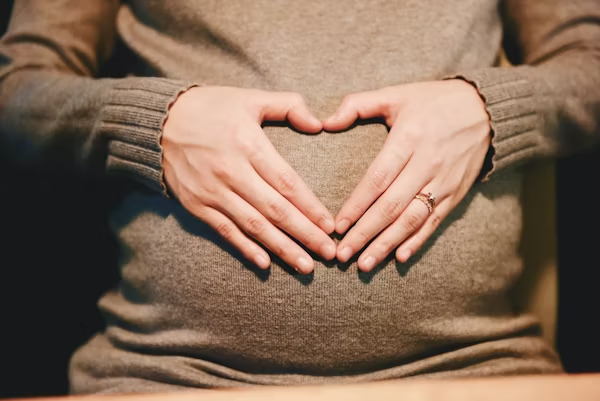
Pregnancy is a special time filled with hope and change. For women in low-resource areas, it can also bring unique challenges that affect the health of both mother and baby. Prenatal care plays a vital role in supporting a healthy pregnancy and a safe childbirth.
This blog aims to empower pregnant women especially those most vulnerable to health risks with simple, practical tips that can improve outcomes for mothers and newborns, even when resources are limited.
Early and Regular Prenatal Visits
One of the most important steps for a healthy pregnancy is starting prenatal care early, preferably within the first three months. Early visits allow health workers to detect potential risks and provide timely interventions. Regular check-ups help monitor the growth and well-being of both mother and baby, identify anemia, infections, or high blood pressure, and give advice on nutrition and birth planning .
If travel to clinics is difficult due to distance or cost, community health workers and outreach programs often provide essential prenatal services closer to home. These alternatives can bridge the gap, making sure women get the care they need without having to travel far. Prioritizing early and consistent check-ups builds a foundation for a healthier pregnancy journey.
Nutrition and Hydration
A balanced diet is crucial during pregnancy to support the baby’s development and keep the mother strong. Key nutrients include iron (to prevent anemia), folic acid (to reduce birth defects), and protein (for tissue growth) . Even in low-resource settings, many local foods provide these nutrients affordably. Examples include leafy greens, beans, eggs, and fortified grains.
Staying well-hydrated is also essential. Drinking safe, clean water helps prevent complications like urinary tract infections. Equally important is avoiding harmful substances such as alcohol and tobacco, which can cause serious harm to the baby. Small diet and hydration improvements can make a big difference in pregnancy health.
Managing Common Pregnancy Symptoms and Complications
Pregnancy often comes with symptoms like nausea, fatigue, and swelling. Simple home remedies like eating small frequent meals, resting frequently, and elevating the feet can ease discomfort.
However, some warning signs require urgent medical attention: heavy vaginal bleeding, severe headaches, blurred vision, or sudden swelling should never be ignored.
High blood pressure during pregnancy can signal preeclampsia, a dangerous condition if left untreated. Regular monitoring, when possible, helps detect these risks early so care can be sought immediately. Paying attention to these symptoms safeguards both mother and child
Hygiene and Infection Prevention
Practicing good personal hygiene is a simple yet powerful way to protect against infections during pregnancy. Washing hands regularly with soap, bathing daily, and wearing clean clothes lowers risk. Using safe water for drinking and cooking is vital, and where available, boiling water can kill harmful germs .
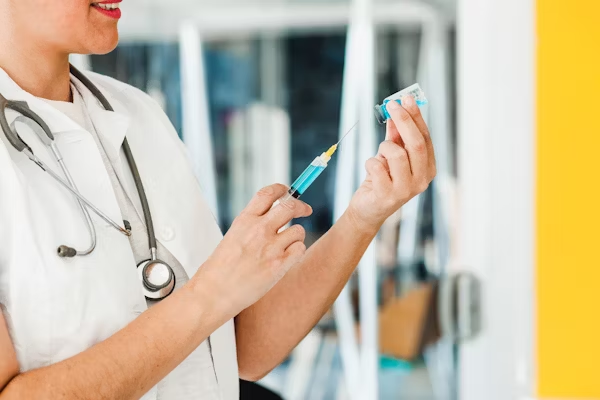
Vaccinations, such as the tetanus shot during pregnancy, protect the mother and newborn from serious diseases. Local health programs often offer these free or at a low cost. Staying clean and up to date on vaccines helps keep infections at bay.
Preparing for Delivery
Planning ahead for childbirth is essential, particularly where emergencies can be life-threatening. Women should identify the nearest health facility or skilled birth attendant well before the due date. Saving money for transportation and emergency expenses ensures timely care when labor begins.
Skilled birth attendance dramatically reduces the risks of complications and death during delivery. Women are encouraged to seek help from trained health workers, as even basic medical support can save lives. Preparation creates peace of mind and better outcomes.
Emotional Well-being and Social Support
Pregnancy can bring emotional challenges alongside physical changes. Support from family, friends, and the community plays a key role in helping women cope with stress and fatigue. Talking openly about fears and worries lessens feelings of isolation and promotes mental health.
Rest, proper nutrition, and gentle exercise also contribute to emotional well-being. Encouraging pregnant women to share their experiences and seek support nurtures a positive pregnancy environment.
Utilizing Available Resources and Programs
Many communities offer maternal health services such as mobile clinics, community health workers, and women’s health groups. These resources can provide information, immunizations, and prenatal care closer to home . Connecting with peer support groups strengthens confidence and knowledge during pregnancy.
Women are encouraged to seek help early and often – no question or concern is too small. Taking advantage of these community programs can improve access to care and empower mothers.
Finally, Prenatal care is a vital investment in the health of mothers and babies – especially in low-resource areas where risks are higher. Women are encouraged to seek help early and often – no question or concern is too small. Taking advantage of these community programs can improve access to care and empower mothers.
Key steps include starting early prenatal visits, eating a nutritious diet, managing symptoms carefully, practicing good hygiene, preparing well for delivery, and seeking emotional support. Utilizing community health resources can also make pregnancy safer and more hopeful.
Caring for yourself is the first step toward giving your baby the best start in life. If you or someone you know needs guidance or support, Teleios Health International’s maternal health support services are ready to help. Your health and your baby’s health matter.
Featured Articles
Breaking Myths About Pregnancy and Childbirth in Traditional Communities
Community & Patient Focus