Understanding Trauma and Its Impact
- Physical trauma: injury or harm.
- Emotional trauma: shock, grief, fear.
- Secondary trauma: emotional effects from hearing about or aiding those affected.
According to the World Health Organization, up to 1 in 5 people exposed to conflict or disaster experience some form of mental health disorder (WHO, 2023).
Healthy Coping Strategies
Taking care of your mental health after trauma is essential to surviving and, in time, thriving beyond conflict and disaster.
Self-Care and Physical Health
- Your body and mind are connected. Sleep, good nutrition, and physical activity form the foundation of well-being.
- Rest helps regulate emotions, nutritious food fuels the brain, and exercise releases mood-enhancing chemicals like endorphins.
- Avoiding alcohol or drugs is crucial, as these substances can worsen anxiety or depression.
Seek Social Support
- Sharing your feelings and experiences with trusted people like family, friends, or community members can lessen the burden.
- Support groups or peer networks offer safe spaces to connect with others who understand.
- Studies show that social connection reduces stress and improves mental health outcomes significantly
Limiting Exposure to Distressing Media
- Constant news or social media reporting about conflicts and disasters can increase anxiety and feelings of helplessness. It's okay to take breaks and limit such exposure.
- Focus on reliable, essential information but balance it with activities that bring you peace of mind.
Engaging in Relaxation Techniques
- Deep breathing, meditation, mindfulness, and calming hobbies help calm the nervous system. These techniques reduce stress hormones and improve emotional regulation. Even a few minutes daily can make a tangible difference.
Expressing Feelings and Talking About Experiences
- Encouraging open conversation about trauma helps process emotions and prevents isolation. Writing, art, or trusted conversations provide outlets to express pain and begin healing.
Recognizing When to Seek Professional Help
While self-care and community support form a strong foundation, some signs indicate the need for professional help. Some of these signs include
This trauma can be acute, happening immediately after the event or chronic, lasting weeks, months, or even years.
- If distress persists beyond weeks.
- If you notice increased substance use.
- Withdrawal from social life.
- Thoughts of self-harm.
When you notice these, reaching out to a mental health professional is essential.
Psychologists, counselors, social workers, and psychiatrists all play roles in treatment.
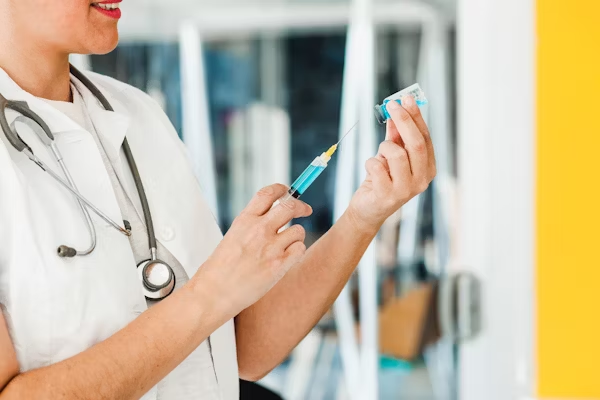
Services may include counseling, cognitive-behavioral therapy, medication, or group therapy.
Early intervention improves outcomes and prevents worsening conditions (National Institute of Mental Health, 2024).
Many humanitarian organizations now include psychosocial support in emergency relief programs. Knowing when and where to access these resources can save lives.
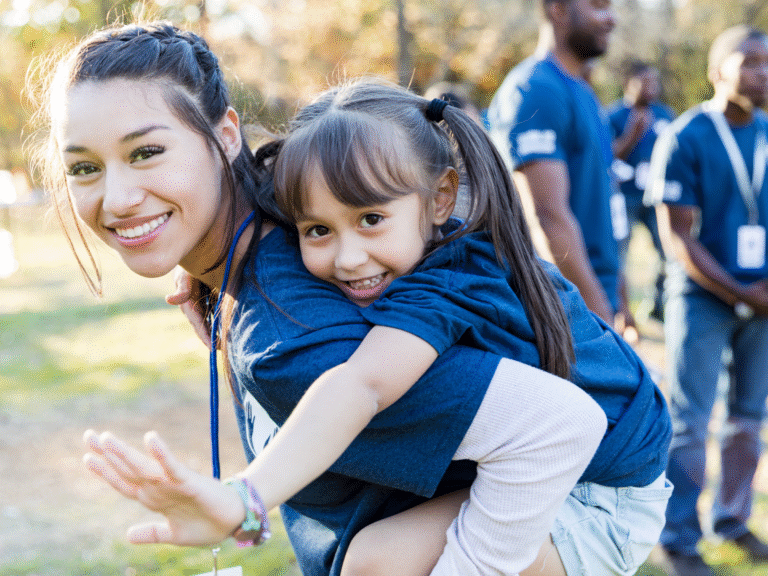
Communities and organizations are critical pillars in mental health recovery after crises. Programs providing culturally sensitive psychosocial support address the diverse needs of affected populations and respect local beliefs and practices.
Humanitarian groups often partner with local health services to expand access. To find help, inquire at community centers, clinics, or trusted nonprofits. Online directories and hotlines may also provide information tailored to your location.
Supportive services might include group counseling, child-friendly activities, livelihood programs, and education about mental health. Collective healing strengthens resilience and rebuilds hope.
In conclusion, experiencing trauma after conflicts and disasters is deeply challenging but recovery is possible with the right support. Prioritizing mental health through self-care, social connection, mindful media use, relaxation, routine, and open expression fosters healin
Recognizing when professional help is needed and connecting with community resources further bolsters resilience.
Together, communities can heal and thrive beyond trauma.
Featured Articles