Why Is Vaccination Important for Refugees and Displaced Persons?
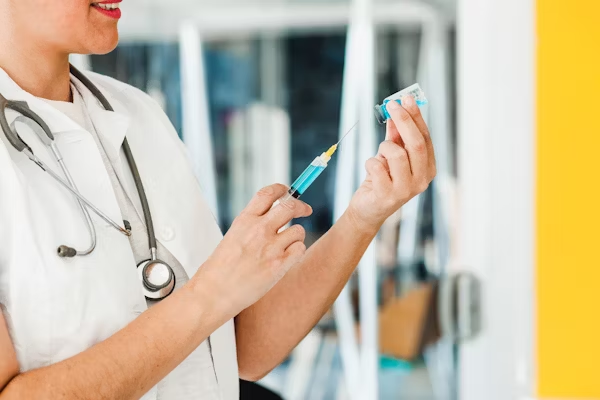
Vaccines train your body to fight illnesses before they make you sick. By getting vaccinated, you’re protecting yourself and those around you especially babies, elderly people, and those with weaker immune systems.Vaccines train your body to fight illnesses before they make you sick. By getting vaccinated, you’re protecting yourself and those around you especially babies, elderly people, and those with weaker immune systems.
These gaps in vaccination coverage leave displaced communities vulnerable to outbreaks of preventable diseases like measles, diphtheria, and whooping cough diseases that can be deadly.
What Barriers Prevent Access to Vaccines?
Many refugees and displaced persons experience difficulties including:
- Legal and Documentation Issues: Without official IDs or registration, some health providers hesitate to vaccinate.
- Distance and Transport Challenges: Vaccination centers can be far from camps, making travel difficult and sometimes unsafe.
- Language and Cultural Differences: Information may not be available in refugees’ native languages, leading to confusion or mistrust.
- Misinformation and Vaccine Hesitancy: Fear of side effects or myths about vaccines causes some to avoid vaccination.
- Financial Costs: Though vaccines may be free, travel costs and time away from work can be a burden.
- Policy and Systemic Barriers: Exclusion from national health plans leaves many refugees unvaccinated.
Understanding these barriers helps us find practical ways to overcome them.
How Can To Safely Get Vaccinated in Camps or Settlements
- Locate Vaccination Services: Ask camp health workers, local NGOs, or community leaders about nearby vaccination clinics and outreach events. Many organizations bring mobile clinics directly to camps.
- Register if Possible: Registration helps track vaccinations and plan follow-ups, but lack of documents should not discourage you.
- Plan Your Visit Carefully: Choose safe times to travel, bring any health or vaccination cards, and ask for assistance if needed.
- Know What to Expect: Vaccines are usually given by injection or oral drops, with minor side effects like soreness or mild fever that go away quickly.
- Complete the Full Schedule: Some vaccines require multiple doses; returning for follow-up is crucial.
Commonly Recommended Vaccines for Refugees
Vaccines protect against diseases likely to spread in crowded or resource-poor settings:
- Measles
- Polio
- COVID-19
- Tetanus
- Hepatitis B
- Diphtheria, Pertussis (Whooping Cough), and more
Health workers will advise which vaccines you and your family need based on your age and health history.
- Speak with healthcare workers or camp health volunteers.
- Listen to community health education sessions.
- Seek information from UN agencies like WHO and UNHCR.
- Use official health announcements and trusted local NGOs.
Overcoming Fear and Misinformation
Vaccines protect against diseases likely to spread in crowded or resource-poor settings:
- Vaccines don’t cause diseases they prepare your immune system.
- Millions of lives worldwide have been saved through vaccines.
- Talking with trusted health workers and community members can ease fears.
- Protecting yourself helps protect your whole community.
- Keep vaccination records safe.
- Encourage family and neighbors to get vaccinated.
- Attend all vaccine appointments, including boosters.
- Practice good hygiene like regular handwashing.
- Stay informed about vaccination programs in your area.
Featured Articles