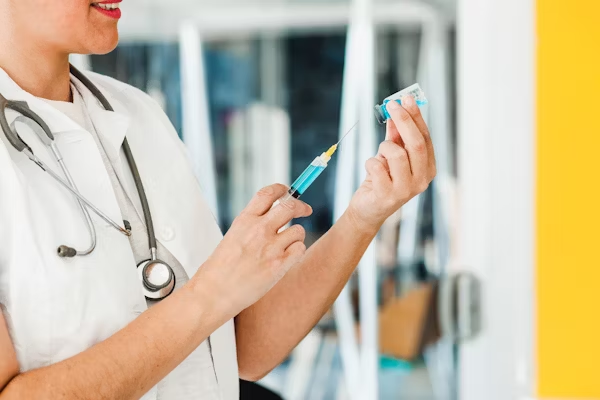
The importance of vaccination: How and where to get immunized safely

Living as a refugee or displaced person means facing many challenges from the uncertainty of having to leave home to struggling with limited access to essential services. Among these challenges, staying healthy through vaccination can sometimes be overlooked or difficult to achieve. Vaccines are powerful tools that protect you, your family, and your community from serious diseases. This blog post helps explain why vaccination is so important, especially when living in camps or temporary settlements, and provides practical advice on how to access safe immunization services even when barriers exist. Why Is Vaccination Important for Refugees and Displaced Persons? When families are forced to flee due to conflict, disasters, or persecution, routine healthcare like vaccinations is often disrupted. In crowded settlements, the risk of contagious diseases spreading quickly is high, making vaccination a vital defense. Vaccines train your body to fight illnesses before they make you sick. By getting vaccinated, you’re protecting yourself and those around you especially babies, elderly people, and those with weaker immune systems.Vaccines train your body to fight illnesses before they make you sick. By getting vaccinated, you’re protecting yourself and those around you especially babies, elderly people, and those with weaker immune systems. Despite their importance, many refugee and migrant children face significant hurdles to vaccination. The World Health Organization reports that over 500,000 children every year in the WHO European Region miss one or more recommended vaccinations. Barriers such as language difficulties, mistrust in health systems, and logistical problems prevent many from receiving essential immunizations. These gaps in vaccination coverage leave displaced communities vulnerable to outbreaks of preventable diseases like measles, diphtheria, and whooping cough  diseases that can be deadly. What Barriers Prevent Access to Vaccines? Many refugees and displaced persons experience difficulties including: Legal and Documentation Issues: Without official IDs or registration, some health providers hesitate to vaccinate. Distance and Transport Challenges: Vaccination centers can be far from camps, making travel difficult and sometimes unsafe. Language and Cultural Differences: Information may not be available in refugees’ native languages, leading to confusion or mistrust. Misinformation and Vaccine Hesitancy: Fear of side effects or myths about vaccines causes some to avoid vaccination. Financial Costs: Though vaccines may be free, travel costs and time away from work can be a burden. Policy and Systemic Barriers: Exclusion from national health plans leaves many refugees unvaccinated. Understanding these barriers helps us find practical ways to overcome them. How Can To Safely Get Vaccinated in Camps or Settlements Here’s what you can do to get vaccinated safely: Locate Vaccination Services: Ask camp health workers, local NGOs, or community leaders about nearby vaccination clinics and outreach events. Many organizations bring mobile clinics directly to camps. Register if Possible: Registration helps track vaccinations and plan follow-ups, but lack of documents should not discourage you. Plan Your Visit Carefully: Choose safe times to travel, bring any health or vaccination cards, and ask for assistance if needed. Know What to Expect: Vaccines are usually given by injection or oral drops, with minor side effects like soreness or mild fever that go away quickly. Complete the Full Schedule: Some vaccines require multiple doses; returning for follow-up is crucial. Commonly Recommended Vaccines for Refugees Vaccines protect against diseases likely to spread in crowded or resource-poor settings: Measles Polio COVID-19 Tetanus Hepatitis B Diphtheria, Pertussis (Whooping Cough), and more Health workers will advise which vaccines you and your family need based on your age and health history. To make informed vaccination decisions: Speak with healthcare workers or camp health volunteers. Listen to community health education sessions. Seek information from UN agencies like WHO and UNHCR. Use official health announcements and trusted local NGOs. Overcoming Fear and Misinformation Vaccines protect against diseases likely to spread in crowded or resource-poor settings: Vaccines don’t cause diseases they prepare your immune system. Millions of lives worldwide have been saved through vaccines. Talking with trusted health workers and community members can ease fears. Protecting yourself helps protect your whole community. What You Can Do to Protect Your Health and Community Keep vaccination records safe. Encourage family and neighbors to get vaccinated. Attend all vaccine appointments, including boosters. Practice good hygiene like regular handwashing. Stay informed about vaccination programs in your area. Vaccines are a key part of staying healthy, especially for people living through displacement. Despite challenges, many refugees have successfully accessed vaccines that protect themselves and their loved ones.Remember, your health is a right, no matter where you live or what documents you have. Reach out to health workers and trusted organizations the path to safe vaccination is open to you. Teleios Health International is dedicated to supporting displaced families by providing accessible and compassionate vaccination and immunization programs. Through these efforts, we help vulnerable communities receive the protection they need to stay healthy and safe, no matter where they find themselves. Donate Today Partner with Us Featured Articles The importance of vaccination: How and where to get immunized safely Tips & TricksJanuary 6, 2026 Breaking Myths About Pregnancy and Childbirth in Traditional Communities Community & Patient FocusJanuary 5, 2026 Essential Prenatal Care tips for expecting mothers in Low-Resource Areas. Tips & TricksDecember 1, 2025 How to manage chronic illnesses when healthcare access is limited Tips & TricksDecember 1, 2025 Partner with Teleios Health You believe in purpose, healing, and impact we do too. Let’s make a difference together. Contact Us Newsletter Signup Stay informed about our, outreach programs, and healthcare services. Join our community and be part of the movement to promote healing, hope, and holistic care. Subscribe Now
Breaking Myths About Pregnancy and Childbirth in Traditional Communities

Pregnancy and childbirth are profound experiences shaped by cultural beliefs and traditions around the world. In many communities, longstanding myths and misconceptions influence how women perceive and manage pregnancy, labor, and postpartum care. While these beliefs hold cultural significance, some can unintentionally pose risks to the health of mothers and babies. Understanding and respectfully addressing these myths is vital to promoting safer pregnancies and healthier outcomes globally. Common Pregnancy Myths and Their Impact Across diverse regions, pregnant women may face dietary restrictions or taboos such as avoiding certain fruits, vegetables, or protein sources due to fears of harming the baby or affecting its characteristics. These food-related myths may lead to nutritional deficiencies, undermining maternal health and fetal development. For example, in many African and Asian communities, foods like eggs, meat, milk, and fruits are often avoided. In parts of Africa, eggs are believed to cause infertility, while in Mexico and India, “hot” and “cold” food beliefs dictate what pregnant women can eat. These restrictions can deprive mothers of vital nutrients, increasing the risk of anemia and affecting fetal growth. Other widespread beliefs attribute difficult or prolonged labor to supernatural causes or moral judgments. These perceptions can delay essential medical care, increasing the risk of complications during childbirth. Beliefs About Labor and Childbirth In many traditional communities, labor and childbirth are seen through a spiritual lens. For instance, in Ethiopia’s East Gojjam region, rituals such as massaging the abdomen with butter or moving a white chicken around the mother’s head are believed to drive away evil spirits thought to cause prolonged labor. Similarly, in other areas, difficult labor may be seen as a punishment for moral failings, causing families to delay seeking professional medical help.Traditional birth attendants often use herbal remedies and massage, which, while culturally important, can sometimes delay timely medical intervention. These beliefs and practices influence how and when families seek care. Childbirth Practices and Misconceptions In many settings, traditional birth attendants play a crucial role in childbirth. However, some traditional practices like the use of unsterilized instruments for cutting the umbilical cord or certain postpartum rituals may contribute to infections or other health problems if not performed safely. Surgical interventions such as cesarean sections may also be stigmatized in some communities, discouraging women from accessing necessary medical care and compromising both maternal and newborn outcomes. Cesarean sections are often seen as a sign of weakness or failure, deterring women from consenting to this life-saving operation. This stigma increases the risk of severe complications and endangers both mother and baby. Unsafe umbilical cord cutting practices expose newborns to infections like tetanus, which continues to be a leading cause of neonatal death in some rural areas. Health Risks and the Importance of Evidence-Based Care While cultural practices provide comfort and meaning, myths that delay professional healthcare or promote unverified remedies can increase maternal and infant mortality and morbidity. Balanced nutrition, skilled birth attendance, hygienic delivery conditions, and timely medical interventions remain critical to ensuring the safety and well-being of mothers and babies. Nutritional deficiencies caused by food taboos can lead to anemia and weakened immunity, increasing risks for both mother and fetus. Delays in accessing skilled birth attendants can lead to untreated complications like obstructed labor or hemorrhage, which are among the top causes of maternal death globally. Evidence-based care integrates these life-saving practices with respect for local culture, improving maternal and neonatal survival rates. Collaboration to Bridge Tradition and Modern Healthcare Effecting positive change requires respectful engagement with cultural values, traditions, and community leaders. Integrating health education that honors local beliefs while sharing scientifically supported information fosters acceptance and empowerment.Training and collaborating with traditional birth attendants can help bridge gaps between healthcare systems and communities, improving access to safe maternal care. Programs that train traditional birth attendants on hygiene, danger signs, and referral systems have successfully increased facility births and reduced complications in several countries. Community dialogues involving elders and religious leaders create trust and encourage families to seek timely medical help while preserving valued cultural practices. Empowering Women and Communities Women’s empowerment and education are crucial in breaking harmful myths. When women and communities are informed about the benefits of skilled care and balanced nutrition, they can make better health choices. Family and community support, including from partners and elders, plays an important role in nurturing safer pregnancy behaviors and encouraging utilization of healthcare services.In conclusion, dispelling harmful myths about pregnancy and childbirth globally requires a culturally sensitive approach that combines respect for heritage with evidence-based healthcare. Empowering women and communities through education and collaboration can save lives and pave the way for healthier generations. Seeking skilled care and following trusted health advice are the best steps toward a safe and healthy pregnancy journey. At Teleios Health International we are committed to supporting mothers and babies worldwide with compassionate, accessible care and information. Donate Today Partner with Us Featured Articles The importance of vaccination: How and where to get immunized safely Tips & TricksJanuary 6, 2026 Breaking Myths About Pregnancy and Childbirth in Traditional Communities Community & Patient FocusJanuary 5, 2026 Essential Prenatal Care tips for expecting mothers in Low-Resource Areas. Tips & TricksDecember 1, 2025 How to manage chronic illnesses when healthcare access is limited Tips & TricksDecember 1, 2025 Partner with Teleios Health You believe in purpose, healing, and impact we do too. Let’s make a difference together. Contact Us Newsletter Signup Stay informed about our, outreach programs, and healthcare services. Join our community and be part of the movement to promote healing, hope, and holistic care. Subscribe Now