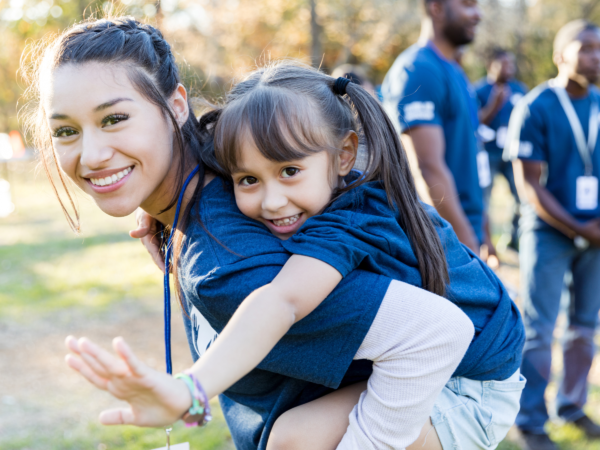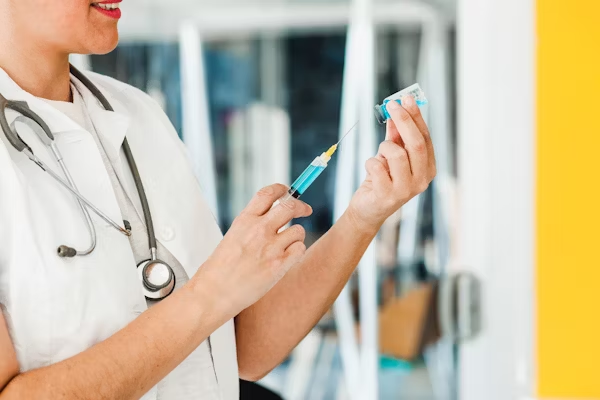
The importance of vaccination: How and where to get immunized safely

Living as a refugee or displaced person means facing many challenges from the uncertainty of having to leave home to struggling with limited access to essential services. Among these challenges, staying healthy through vaccination can sometimes be overlooked or difficult to achieve. Vaccines are powerful tools that protect you, your family, and your community from serious diseases. This blog post helps explain why vaccination is so important, especially when living in camps or temporary settlements, and provides practical advice on how to access safe immunization services even when barriers exist. Why Is Vaccination Important for Refugees and Displaced Persons? When families are forced to flee due to conflict, disasters, or persecution, routine healthcare like vaccinations is often disrupted. In crowded settlements, the risk of contagious diseases spreading quickly is high, making vaccination a vital defense. Vaccines train your body to fight illnesses before they make you sick. By getting vaccinated, you’re protecting yourself and those around you especially babies, elderly people, and those with weaker immune systems.Vaccines train your body to fight illnesses before they make you sick. By getting vaccinated, you’re protecting yourself and those around you especially babies, elderly people, and those with weaker immune systems. Despite their importance, many refugee and migrant children face significant hurdles to vaccination. The World Health Organization reports that over 500,000 children every year in the WHO European Region miss one or more recommended vaccinations. Barriers such as language difficulties, mistrust in health systems, and logistical problems prevent many from receiving essential immunizations. These gaps in vaccination coverage leave displaced communities vulnerable to outbreaks of preventable diseases like measles, diphtheria, and whooping cough  diseases that can be deadly. What Barriers Prevent Access to Vaccines? Many refugees and displaced persons experience difficulties including: Legal and Documentation Issues: Without official IDs or registration, some health providers hesitate to vaccinate. Distance and Transport Challenges: Vaccination centers can be far from camps, making travel difficult and sometimes unsafe. Language and Cultural Differences: Information may not be available in refugees’ native languages, leading to confusion or mistrust. Misinformation and Vaccine Hesitancy: Fear of side effects or myths about vaccines causes some to avoid vaccination. Financial Costs: Though vaccines may be free, travel costs and time away from work can be a burden. Policy and Systemic Barriers: Exclusion from national health plans leaves many refugees unvaccinated. Understanding these barriers helps us find practical ways to overcome them. How Can To Safely Get Vaccinated in Camps or Settlements Here’s what you can do to get vaccinated safely: Locate Vaccination Services: Ask camp health workers, local NGOs, or community leaders about nearby vaccination clinics and outreach events. Many organizations bring mobile clinics directly to camps. Register if Possible: Registration helps track vaccinations and plan follow-ups, but lack of documents should not discourage you. Plan Your Visit Carefully: Choose safe times to travel, bring any health or vaccination cards, and ask for assistance if needed. Know What to Expect: Vaccines are usually given by injection or oral drops, with minor side effects like soreness or mild fever that go away quickly. Complete the Full Schedule: Some vaccines require multiple doses; returning for follow-up is crucial. Commonly Recommended Vaccines for Refugees Vaccines protect against diseases likely to spread in crowded or resource-poor settings: Measles Polio COVID-19 Tetanus Hepatitis B Diphtheria, Pertussis (Whooping Cough), and more Health workers will advise which vaccines you and your family need based on your age and health history. To make informed vaccination decisions: Speak with healthcare workers or camp health volunteers. Listen to community health education sessions. Seek information from UN agencies like WHO and UNHCR. Use official health announcements and trusted local NGOs. Overcoming Fear and Misinformation Vaccines protect against diseases likely to spread in crowded or resource-poor settings: Vaccines don’t cause diseases they prepare your immune system. Millions of lives worldwide have been saved through vaccines. Talking with trusted health workers and community members can ease fears. Protecting yourself helps protect your whole community. What You Can Do to Protect Your Health and Community Keep vaccination records safe. Encourage family and neighbors to get vaccinated. Attend all vaccine appointments, including boosters. Practice good hygiene like regular handwashing. Stay informed about vaccination programs in your area. Vaccines are a key part of staying healthy, especially for people living through displacement. Despite challenges, many refugees have successfully accessed vaccines that protect themselves and their loved ones.Remember, your health is a right, no matter where you live or what documents you have. Reach out to health workers and trusted organizations the path to safe vaccination is open to you. Teleios Health International is dedicated to supporting displaced families by providing accessible and compassionate vaccination and immunization programs. Through these efforts, we help vulnerable communities receive the protection they need to stay healthy and safe, no matter where they find themselves. Donate Today Partner with Us Featured Articles The importance of vaccination: How and where to get immunized safely Tips & TricksJanuary 6, 2026 Breaking Myths About Pregnancy and Childbirth in Traditional Communities Community & Patient FocusJanuary 5, 2026 Essential Prenatal Care tips for expecting mothers in Low-Resource Areas. Tips & TricksDecember 1, 2025 How to manage chronic illnesses when healthcare access is limited Tips & TricksDecember 1, 2025 Partner with Teleios Health You believe in purpose, healing, and impact we do too. Let’s make a difference together. Contact Us Newsletter Signup Stay informed about our, outreach programs, and healthcare services. Join our community and be part of the movement to promote healing, hope, and holistic care. Subscribe Now
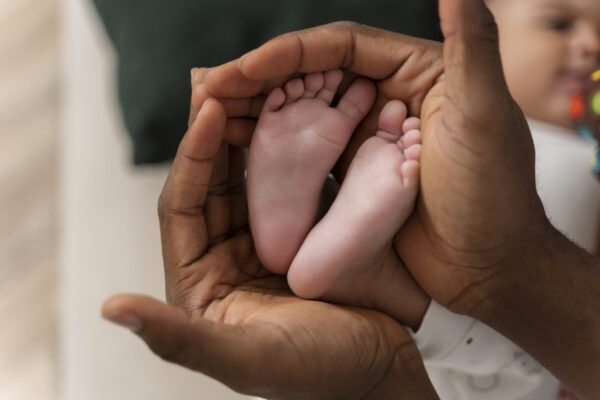

Breaking Myths About Pregnancy and Childbirth in Traditional Communities

Pregnancy and childbirth are profound experiences shaped by cultural beliefs and traditions around the world. In many communities, longstanding myths and misconceptions influence how women perceive and manage pregnancy, labor, and postpartum care. While these beliefs hold cultural significance, some can unintentionally pose risks to the health of mothers and babies. Understanding and respectfully addressing these myths is vital to promoting safer pregnancies and healthier outcomes globally. Common Pregnancy Myths and Their Impact Across diverse regions, pregnant women may face dietary restrictions or taboos such as avoiding certain fruits, vegetables, or protein sources due to fears of harming the baby or affecting its characteristics. These food-related myths may lead to nutritional deficiencies, undermining maternal health and fetal development. For example, in many African and Asian communities, foods like eggs, meat, milk, and fruits are often avoided. In parts of Africa, eggs are believed to cause infertility, while in Mexico and India, “hot” and “cold” food beliefs dictate what pregnant women can eat. These restrictions can deprive mothers of vital nutrients, increasing the risk of anemia and affecting fetal growth. Other widespread beliefs attribute difficult or prolonged labor to supernatural causes or moral judgments. These perceptions can delay essential medical care, increasing the risk of complications during childbirth. Beliefs About Labor and Childbirth In many traditional communities, labor and childbirth are seen through a spiritual lens. For instance, in Ethiopia’s East Gojjam region, rituals such as massaging the abdomen with butter or moving a white chicken around the mother’s head are believed to drive away evil spirits thought to cause prolonged labor. Similarly, in other areas, difficult labor may be seen as a punishment for moral failings, causing families to delay seeking professional medical help.Traditional birth attendants often use herbal remedies and massage, which, while culturally important, can sometimes delay timely medical intervention. These beliefs and practices influence how and when families seek care. Childbirth Practices and Misconceptions In many settings, traditional birth attendants play a crucial role in childbirth. However, some traditional practices like the use of unsterilized instruments for cutting the umbilical cord or certain postpartum rituals may contribute to infections or other health problems if not performed safely. Surgical interventions such as cesarean sections may also be stigmatized in some communities, discouraging women from accessing necessary medical care and compromising both maternal and newborn outcomes. Cesarean sections are often seen as a sign of weakness or failure, deterring women from consenting to this life-saving operation. This stigma increases the risk of severe complications and endangers both mother and baby. Unsafe umbilical cord cutting practices expose newborns to infections like tetanus, which continues to be a leading cause of neonatal death in some rural areas. Health Risks and the Importance of Evidence-Based Care While cultural practices provide comfort and meaning, myths that delay professional healthcare or promote unverified remedies can increase maternal and infant mortality and morbidity. Balanced nutrition, skilled birth attendance, hygienic delivery conditions, and timely medical interventions remain critical to ensuring the safety and well-being of mothers and babies. Nutritional deficiencies caused by food taboos can lead to anemia and weakened immunity, increasing risks for both mother and fetus. Delays in accessing skilled birth attendants can lead to untreated complications like obstructed labor or hemorrhage, which are among the top causes of maternal death globally. Evidence-based care integrates these life-saving practices with respect for local culture, improving maternal and neonatal survival rates. Collaboration to Bridge Tradition and Modern Healthcare Effecting positive change requires respectful engagement with cultural values, traditions, and community leaders. Integrating health education that honors local beliefs while sharing scientifically supported information fosters acceptance and empowerment.Training and collaborating with traditional birth attendants can help bridge gaps between healthcare systems and communities, improving access to safe maternal care. Programs that train traditional birth attendants on hygiene, danger signs, and referral systems have successfully increased facility births and reduced complications in several countries. Community dialogues involving elders and religious leaders create trust and encourage families to seek timely medical help while preserving valued cultural practices. Empowering Women and Communities Women’s empowerment and education are crucial in breaking harmful myths. When women and communities are informed about the benefits of skilled care and balanced nutrition, they can make better health choices. Family and community support, including from partners and elders, plays an important role in nurturing safer pregnancy behaviors and encouraging utilization of healthcare services.In conclusion, dispelling harmful myths about pregnancy and childbirth globally requires a culturally sensitive approach that combines respect for heritage with evidence-based healthcare. Empowering women and communities through education and collaboration can save lives and pave the way for healthier generations. Seeking skilled care and following trusted health advice are the best steps toward a safe and healthy pregnancy journey. At Teleios Health International we are committed to supporting mothers and babies worldwide with compassionate, accessible care and information. Donate Today Partner with Us Featured Articles The importance of vaccination: How and where to get immunized safely Tips & TricksJanuary 6, 2026 Breaking Myths About Pregnancy and Childbirth in Traditional Communities Community & Patient FocusJanuary 5, 2026 Essential Prenatal Care tips for expecting mothers in Low-Resource Areas. Tips & TricksDecember 1, 2025 How to manage chronic illnesses when healthcare access is limited Tips & TricksDecember 1, 2025 Partner with Teleios Health You believe in purpose, healing, and impact we do too. Let’s make a difference together. Contact Us Newsletter Signup Stay informed about our, outreach programs, and healthcare services. Join our community and be part of the movement to promote healing, hope, and holistic care. Subscribe Now
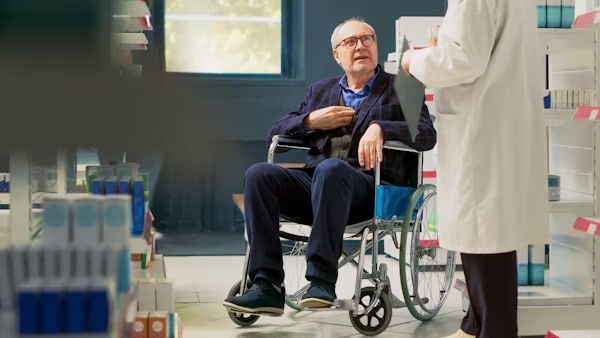
Essential Prenatal Care tips for expecting mothers in Low-Resource Areas.

Pregnancy is a special time filled with hope and change. For women in low-resource areas, it can also bring unique challenges that affect the health of both mother and baby. Prenatal care plays a vital role in supporting a healthy pregnancy and a safe childbirth. This blog aims to empower pregnant women especially those most vulnerable to health risks with simple, practical tips that can improve outcomes for mothers and newborns, even when resources are limited. Early and Regular Prenatal Visits One of the most important steps for a healthy pregnancy is starting prenatal care early, preferably within the first three months. Early visits allow health workers to detect potential risks and provide timely interventions. Regular check-ups help monitor the growth and well-being of both mother and baby, identify anemia, infections, or high blood pressure, and give advice on nutrition and birth planning . If travel to clinics is difficult due to distance or cost, community health workers and outreach programs often provide essential prenatal services closer to home. These alternatives can bridge the gap, making sure women get the care they need without having to travel far. Prioritizing early and consistent check-ups builds a foundation for a healthier pregnancy journey. Nutrition and Hydration A balanced diet is crucial during pregnancy to support the baby’s development and keep the mother strong. Key nutrients include iron (to prevent anemia), folic acid (to reduce birth defects), and protein (for tissue growth) . Even in low-resource settings, many local foods provide these nutrients affordably. Examples include leafy greens, beans, eggs, and fortified grains.Staying well-hydrated is also essential. Drinking safe, clean water helps prevent complications like urinary tract infections. Equally important is avoiding harmful substances such as alcohol and tobacco, which can cause serious harm to the baby. Small diet and hydration improvements can make a big difference in pregnancy health. Managing Common Pregnancy Symptoms and Complications Pregnancy often comes with symptoms like nausea, fatigue, and swelling. Simple home remedies like eating small frequent meals, resting frequently, and elevating the feet can ease discomfort. However, some warning signs require urgent medical attention: heavy vaginal bleeding, severe headaches, blurred vision, or sudden swelling should never be ignored. High blood pressure during pregnancy can signal preeclampsia, a dangerous condition if left untreated. Regular monitoring, when possible, helps detect these risks early so care can be sought immediately. Paying attention to these symptoms safeguards both mother and child Hygiene and Infection Prevention Practicing good personal hygiene is a simple yet powerful way to protect against infections during pregnancy. Washing hands regularly with soap, bathing daily, and wearing clean clothes lowers risk. Using safe water for drinking and cooking is vital, and where available, boiling water can kill harmful germs .Vaccinations, such as the tetanus shot during pregnancy, protect the mother and newborn from serious diseases. Local health programs often offer these free or at a low cost. Staying clean and up to date on vaccines helps keep infections at bay. Preparing for Delivery Planning ahead for childbirth is essential, particularly where emergencies can be life-threatening. Women should identify the nearest health facility or skilled birth attendant well before the due date. Saving money for transportation and emergency expenses ensures timely care when labor begins.Skilled birth attendance dramatically reduces the risks of complications and death during delivery. Women are encouraged to seek help from trained health workers, as even basic medical support can save lives. Preparation creates peace of mind and better outcomes. Emotional Well-being and Social Support Pregnancy can bring emotional challenges alongside physical changes. Support from family, friends, and the community plays a key role in helping women cope with stress and fatigue. Talking openly about fears and worries lessens feelings of isolation and promotes mental health.Rest, proper nutrition, and gentle exercise also contribute to emotional well-being. Encouraging pregnant women to share their experiences and seek support nurtures a positive pregnancy environment. Utilizing Available Resources and Programs Many communities offer maternal health services such as mobile clinics, community health workers, and women’s health groups. These resources can provide information, immunizations, and prenatal care closer to home . Connecting with peer support groups strengthens confidence and knowledge during pregnancy. Women are encouraged to seek help early and often – no question or concern is too small. Taking advantage of these community programs can improve access to care and empower mothers. Finally, Prenatal care is a vital investment in the health of mothers and babies – especially in low-resource areas where risks are higher. Women are encouraged to seek help early and often – no question or concern is too small. Taking advantage of these community programs can improve access to care and empower mothers.Key steps include starting early prenatal visits, eating a nutritious diet, managing symptoms carefully, practicing good hygiene, preparing well for delivery, and seeking emotional support. Utilizing community health resources can also make pregnancy safer and more hopeful.Caring for yourself is the first step toward giving your baby the best start in life. If you or someone you know needs guidance or support, Teleios Health International’s maternal health support services are ready to help. Your health and your baby’s health matter. Donate Today Partner with Us Featured Articles The importance of vaccination: How and where to get immunized safely Tips & TricksJanuary 6, 2026 Breaking Myths About Pregnancy and Childbirth in Traditional Communities Community & Patient FocusJanuary 5, 2026 Essential Prenatal Care tips for expecting mothers in Low-Resource Areas. Tips & TricksDecember 1, 2025 How to manage chronic illnesses when healthcare access is limited Tips & TricksDecember 1, 2025 Partner with Teleios Health You believe in purpose, healing, and impact we do too. Let’s make a difference together. Contact Us Newsletter Signup Stay informed about our, outreach programs, and healthcare services. Join our community and be part of the movement to promote healing, hope, and holistic care. Subscribe Now
How to manage chronic illnesses when healthcare access is limited

Living with chronic illness is challenging in the best of circumstances, but when you are in a situation where access to healthcare is limited such as in areas affected by disasters, conflict, or ongoing emergencies those challenges multiply. For people managing chronic conditions like diabetes, asthma, hypertension, or heart disease, maintaining health and preventing complications becomes a daily struggle. Yet, even in these difficult environments, there are practical ways to take charge of your health. This blog post aims to empower individuals living with chronic illnesses who face barriers to healthcare access by offering clear, actionable strategies to manage their conditions effectively. Barriers To Managing Chronic Illnesses In Low-Access Settings The first step in managing a chronic illness during hardship is understanding the specific barriers that affect care: Geographic Distance and Transportation Difficulties: Many people live far from health centers, with no reliable transport. Traveling long distances sometimes on foot or costly rides makes even routine check-ups hard to attend. Limited Healthcare Providers and Specialists: MClinics or hospitals may be understaffed or lack specialists needed for certain chronic disease management, leaving patients without expert care or diagnostic tools. Financial Constraints: When money is tight, buying medications regularly or paying for tests takes a back seat to basic needs like food and shelter. This affects treatment adherence and worsens health outcomes. Lack of Health Literacy: Limited information about managing chronic diseases can lead to misunderstandings, missed warning signs, and poor decisions. Social and Cultural Factors: Sometimes stigma, gender roles, or beliefs about illness interfere with seeking care or following medical advice. Understanding these barriers helps us move toward solutions that can work in difficult contexts. Strategies for Effective Self-Management Despite these challenges, many proven strategies can help people manage chronic diseases successfully even with limited healthcare access. 1. Medication Management: Taking medications correctly is essential for managing chronic illnesses. Organize your medicine schedule by using reminder notes. Set alarms or link medication times with daily routines like meals. Keep an emergency supply of essential medicines safely stored in case of sudden travel or supply disruptions. Always check expiration dates and try to refill prescriptions ahead of time when possible. 2. Monitoring Symptoms:  Keeping track of how you feel day-to-day can prevent serious complications. Tools like a notebook or symptom diary can help record blood sugar levels, blood pressure, breathing difficulties, or pain. Recognizing warning signs early such as dizziness, chest pain, or persistent coughing means you can seek help before problems worsen. 3. Healthy Lifestyle Choices: Eating healthy with limited resources may seem tough, but some changes make a difference: Use locally, affordable foods rich in vegetables, fruits, and whole grains. Drink clean water and avoid sugary drinks. Engage in physical activity adapted to your condition such as walking, stretching, or gentle exercises. Avoid tobacco and excessive alcohol, which can worsen many chronic illnesses. 4. Utilizing Community Resources: Community pharmacies, health workers, and peer groups can be valuable allies. Pharmacists may offer advice or help find affordable medicines. Community health workers often provide education and support in local languages. Joining peer support groups allows sharing experiences, encouragement, and coping ideas. 5. Planning Regular Healthcare Visits Try to schedule check-ups periodically, even if it means longer travel or financial planning. Telehealth phone or video consultations may be an option if mobile networks or the internet are available. These visits help adjust treatments and monitor your condition safely. Emergency Preparedness for Chronic Illness Patients In disaster or conflict situations, having an emergency plan is life-saving. 1. Prepare a chronic illness emergency kit including your medications, medical records, contact details of healthcare providers, and basic supplies like a thermometer and glucose monitor if needed. 2. Plan how to continue your medication without interruption during crises or displacement. Talk to support groups or local agencies about emergency provisions. 3. Access social services, humanitarian aid, and nonprofit organizations offering medicines, counseling, or medical camps. Together, these efforts can help change policy and improve access over time.In summary, managing chronic illness with limited healthcare access is undeniably hard. Through understanding common barriers and adopting practical strategies like medication management, symptom monitoring, healthy choices, community support, emergency preparedness, and advocacy you can stay empowered and protect your health. Donate Today Partner with Us Featured Articles The importance of vaccination: How and where to get immunized safely Tips & TricksJanuary 6, 2026 Breaking Myths About Pregnancy and Childbirth in Traditional Communities Community & Patient FocusJanuary 5, 2026 Essential Prenatal Care tips for expecting mothers in Low-Resource Areas. Tips & TricksDecember 1, 2025 How to manage chronic illnesses when healthcare access is limited Tips & TricksDecember 1, 2025 Partner with Teleios Health You believe in purpose, healing, and impact we do too. Let’s make a difference together. Contact Us Newsletter Signup Stay informed about our, outreach programs, and healthcare services. Join our community and be part of the movement to promote healing, hope, and holistic care. Subscribe Now
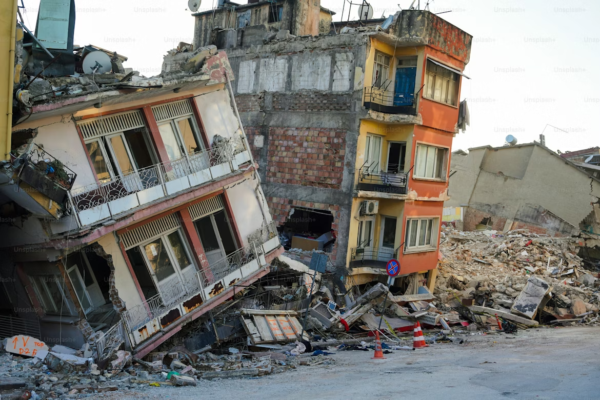
Mental health Support: Coping with trauma after conflict and disaster

Conflict and disasters damage more than homes, they affect the mind.They reshape lives in unimaginable ways, leaving not only physical scars but also deep psychological wounds. For those affected, the experience of trauma can linger long after the events have passed, impacting daily lives and overall well-being.Understanding the profound mental health effects caused by these crises and how to effectively cope is vital for recovery and rebuilding a hopeful future. Understanding Trauma and Its Impact Trauma resulting from conflicts or disasters refers to the intense emotional and psychological distress that occurs when a person experiences or witnesses life-threatening or deeply disturbing events.This trauma can be acute, happening immediately after the event or chronic, lasting weeks, months, or even years.Common types include: Physical trauma: injury or harm. Emotional trauma: shock, grief, fear. Secondary trauma: emotional effects from hearing about or aiding those affected. Those impacted often experience a range of mental health symptoms. Anxiety, Depression, and Post-Traumatic Stress Disorder (PTSD) are among the most frequent reactions. According to the World Health Organization, up to 1 in 5 people exposed to conflict or disaster experience some form of mental health disorder (WHO, 2023). Sleep disturbances, irritability, flashbacks, and difficulty concentrating can disrupt work, school, and relationships. These symptoms are common, though deeply distressing, and acknowledging them is the first step towards healing.Recognizing how trauma shapes a person’s everyday life is important. Struggles with trust, isolation, emotional numbness, or feeling overwhelmed are natural responses to extreme stress. Yet, with support, recovery is possible.Next, we will explore healthy coping techniques that foster resilience and gradually restore hope. Healthy Coping Strategies Taking care of your mental health after trauma is essential to surviving and, in time, thriving beyond conflict and disaster. Here are practical, supportive actions that you can take: Self-Care and Physical Health Your body and mind are connected. Sleep, good nutrition, and physical activity form the foundation of well-being. Rest helps regulate emotions, nutritious food fuels the brain, and exercise releases mood-enhancing chemicals like endorphins. Avoiding alcohol or drugs is crucial, as these substances can worsen anxiety or depression. Seek Social Support Sharing your feelings and experiences with trusted people like family, friends, or community members can lessen the burden. Support groups or peer networks offer safe spaces to connect with others who understand. Studies show that social connection reduces stress and improves mental health outcomes significantly Limiting Exposure to Distressing Media Constant news or social media reporting about conflicts and disasters can increase anxiety and feelings of helplessness. It’s okay to take breaks and limit such exposure. Focus on reliable, essential information but balance it with activities that bring you peace of mind. Engaging in Relaxation Techniques Deep breathing, meditation, mindfulness, and calming hobbies help calm the nervous system. These techniques reduce stress hormones and improve emotional regulation. Even a few minutes daily can make a tangible difference. Expressing Feelings and Talking About Experiences Encouraging open conversation about trauma helps process emotions and prevents isolation. Writing, art, or trusted conversations provide outlets to express pain and begin healing. Recognizing When to Seek Professional Help While self-care and community support form a strong foundation, some signs indicate the need for professional help. Some of these signs include This trauma can be acute, happening immediately after the event or chronic, lasting weeks, months, or even years. Common types include: If distress persists beyond weeks. If you notice increased substance use. Withdrawal from social life. Thoughts of self-harm. When you notice these, reaching out to a mental health professional is essential. Psychologists, counselors, social workers, and psychiatrists all play roles in treatment.Services may include counseling, cognitive-behavioral therapy, medication, or group therapy. Early intervention improves outcomes and prevents worsening conditions (National Institute of Mental Health, 2024). Many humanitarian organizations now include psychosocial support in emergency relief programs. Knowing when and where to access these resources can save lives. Communities and organizations are critical pillars in mental health recovery after crises. Programs providing culturally sensitive psychosocial support address the diverse needs of affected populations and respect local beliefs and practices. Humanitarian groups often partner with local health services to expand access. To find help, inquire at community centers, clinics, or trusted nonprofits. Online directories and hotlines may also provide information tailored to your location. Supportive services might include group counseling, child-friendly activities, livelihood programs, and education about mental health. Collective healing strengthens resilience and rebuilds hope. In conclusion, experiencing trauma after conflicts and disasters is deeply challenging but recovery is possible with the right support. Prioritizing mental health through self-care, social connection, mindful media use, relaxation, routine, and open expression fosters healin Recognizing when professional help is needed and connecting with community resources further bolsters resilience. Together, communities can heal and thrive beyond trauma. Donate Today Partner with Us Featured Articles The importance of vaccination: How and where to get immunized safely Tips & TricksJanuary 6, 2026 Breaking Myths About Pregnancy and Childbirth in Traditional Communities Community & Patient FocusJanuary 5, 2026 Essential Prenatal Care tips for expecting mothers in Low-Resource Areas. Tips & TricksDecember 1, 2025 How to manage chronic illnesses when healthcare access is limited Tips & TricksDecember 1, 2025 Partner with Teleios Health You believe in purpose, healing, and impact we do too. Let’s make a difference together. Contact Us Newsletter Signup Stay informed about our, outreach programs, and healthcare services. Join our community and be part of the movement to promote healing, hope, and holistic care. Subscribe Now
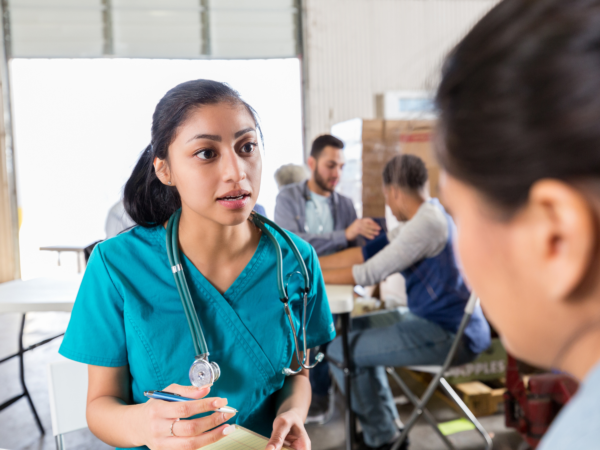
Health Risks following Natural Disasters and How to Stay Safe

Natural disasters are becoming increasingly frequent and severe, posing serious threats not only to property but also to human health. Disasters like floods, earthquakes, hurricanes, and wildfires disrupt millions of lives worldwide every year.In 2024, disasters caused over $2.3 trillion in losses globally, impacting vulnerable communities deeply (Global Assessment Report on Disaster Risk Reduction (GAR), 2025).For those caught in these crises, the immediate physical dangers of the disaster are only part of the story. The days and weeks after a disaster bring a host of health risks that can endanger survivors if not recognized and addressed.This guide aims to raise awareness about the most common health threats that arise after natural disasters and provide clear, practical advice on how to stay safe and protect your health. Whether someone has been directly affected or is supporting recovery efforts, understanding these risks can save lives and rebuild hope. Common Health Risks After Natural Disasters Natural disasters like floods, earthquakes, hurricanes, and others often break or contaminate essential systems that provide clean water, safe shelter, and medical care. Infectious Disease Outbreaks: Contaminated water and crowded shelters increase exposure to diseases such as cholera, typhoid, hepatitis A, respiratory infections, and vector-borne illnesses like malaria and dengue. Around 45,000 people die worldwide annually from natural disasters, many due to preventable disease outbreaks after flooding or other impacts. Injuries and Trauma: Collapsing buildings and debris cause fractures, wounds, and crush injuries. Delays in care can worsen wounds and increase infection risk. For every major disaster, thousands require urgent medical care for injuries sustained during the event. Mental Health Challenges: The trauma of sudden loss, displacement, and uncertainty can lead to anxiety disorders, depression, and PTSD. Almost one in five people (about 22%) affected by emergencies experience significant psychological distress that can persist without support (WHO, 2025) Environmental Hazards: Exposure to hazardous chemicals, downed power lines, or polluted air and water adds to health risks. Floodwaters may carry toxic waste, and damaged industrial sites may release materials harmful to skin and lungs. Disruption of Chronic Care: Interrupted access to medications cause worsening of chronic illnesses such as diabetes, asthma, hypertension, and HIV/AIDS. These gaps can lead to severe complications or death if not promptly addressed. In disaster zones, 20-40% of patients with chronic conditions face severe complications. Malnutrition and Dehydration: Natural disasters disrupt agriculture, food production, and supply chains, resulting in food scarcity and elevated prices. Food shortages and unsafe water worsen nutrition, especially in young children and older adults. Malnutrition increases vulnerability to infections and delays recovery. How to Stay Safe and Protect Your Health Taking steps to reduce exposure to hazards and maintain health can make a substantial difference during recovery: Check for Injuries and Get Medical Care: Avoid unsafe areas, falling debris, and damaged structures during and after the disaster. Clean minor wounds with soap and water promptly to reduce infection. Seek urgent medical attention for serious injuries or if infection signs develop (redness, swelling, pus). Wear protective clothing and gloves during clean-up activities. Avoid Contaminated Food and Water: Use only treated or boiled water for drinking and cooking. Avoid floodwaters for bathing or washing food items as they commonly carry harmful contaminants. Practice Good Hygiene: Frequent handwashing with soap reduces the risk of diarrhea and respiratory diseases. Use clean sanitation facilities or safely bury human waste to prevent disease spread. Prevent Mosquito-Borne Diseases: Use mosquito nets and insect repellents. Remove standing water around home areas to reduce mosquito breeding (critical after flooding) Support Mental Health: Share feelings with trusted individuals and seek psychosocial support if available. Small acts of community solidarity can ease stress. Avoid Environmental Risks: Stay clear of damaged structures or downed electrical wires. Use protective gloves and sturdy footwear when cleaning debris. Manage Chronic Disease: Secure medication supplies and try to maintain routine care appointments if possible. Reach out for help from aid organizations if access is lost. Ensure Proper Nutrition and Hydration: Prioritize safe water and nutritionally balanced foods, especially for children and vulnerable family members. Stay Informed: Listen for official public health updates on safe zones, outbreak alerts, and assistance programs. Reliable information supports timely and safe decisions. Natural disasters profoundly impact health beyond the initial event, increasing risks of infection, injury, mental health issues, and more. However, empowerment through knowledge and action can safeguard individuals and communities during these critical times. By understanding common post-disaster health threats and applying simple, life-saving measures, survivors and aid providers can protect lives, support recovery, and foster resilience amid challenges. Together, with care and preparedness, it is possible to navigate disaster aftermaths with hope and strength protecting health to rebuild brighter futures for all. At Teleios Health International, we remain committed to supporting disaster-affected communities worldwide by providing essential healthcare, emergency relief, and education. Together, we can build healthier, safer futures for those impacted by natural disasters. Join us in making a difference. Donate Today Partner with Us Featured Articles Breaking Myths About Pregnancy and Childbirth in Traditional Communities Community & Patient FocusJanuary 5, 2026 Essential Prenatal Care tips for expecting mothers in Low-Resource Areas. Tips & TricksDecember 1, 2025 How to manage chronic illnesses when healthcare access is limited Tips & TricksDecember 1, 2025 Mental health Support: Coping with trauma after conflict and disaster Engagement & SupportNovember 18, 2025 Partner with Teleios Health You believe in purpose, healing, and impact we do too. Let’s make a difference together. Contact Us Newsletter Signup Stay informed about our, outreach programs, and healthcare services. Join our community and be part of the movement to promote healing, hope, and holistic care. Subscribe Now