Health Risks following Natural Disasters and How to Stay Safe
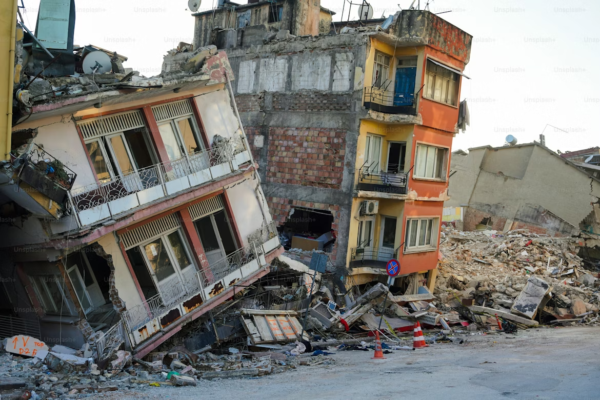
Natural disasters are becoming increasingly frequent and severe, posing serious threats not only to property but also to human health. Disasters like floods, earthquakes, hurricanes, and wildfires disrupt millions of lives worldwide every year.In 2024, disasters caused over $2.3 trillion in losses globally, impacting vulnerable communities deeply (Global Assessment Report on Disaster Risk Reduction (GAR), 2025).For those caught in these crises, the immediate physical dangers of the disaster are only part of the story. The days and weeks after a disaster bring a host of health risks that can endanger survivors if not recognized and addressed.This guide aims to raise awareness about the most common health threats that arise after natural disasters and provide clear, practical advice on how to stay safe and protect your health. Whether someone has been directly affected or is supporting recovery efforts, understanding these risks can save lives and rebuild hope. Common Health Risks After Natural Disasters Natural disasters like floods, earthquakes, hurricanes, and others often break or contaminate essential systems that provide clean water, safe shelter, and medical care. Infectious Disease Outbreaks: Contaminated water and crowded shelters increase exposure to diseases such as cholera, typhoid, hepatitis A, respiratory infections, and vector-borne illnesses like malaria and dengue. Around 45,000 people die worldwide annually from natural disasters, many due to preventable disease outbreaks after flooding or other impacts. Injuries and Trauma: Collapsing buildings and debris cause fractures, wounds, and crush injuries. Delays in care can worsen wounds and increase infection risk. For every major disaster, thousands require urgent medical care for injuries sustained during the event. Mental Health Challenges: The trauma of sudden loss, displacement, and uncertainty can lead to anxiety disorders, depression, and PTSD. Almost one in five people (about 22%) affected by emergencies experience significant psychological distress that can persist without support (WHO, 2025) Environmental Hazards: Exposure to hazardous chemicals, downed power lines, or polluted air and water adds to health risks. Floodwaters may carry toxic waste, and damaged industrial sites may release materials harmful to skin and lungs. Disruption of Chronic Care: Interrupted access to medications cause worsening of chronic illnesses such as diabetes, asthma, hypertension, and HIV/AIDS. These gaps can lead to severe complications or death if not promptly addressed. In disaster zones, 20-40% of patients with chronic conditions face severe complications. Malnutrition and Dehydration: Natural disasters disrupt agriculture, food production, and supply chains, resulting in food scarcity and elevated prices. Food shortages and unsafe water worsen nutrition, especially in young children and older adults. Malnutrition increases vulnerability to infections and delays recovery. How to Stay Safe and Protect Your Health Taking steps to reduce exposure to hazards and maintain health can make a substantial difference during recovery: Check for Injuries and Get Medical Care: Avoid unsafe areas, falling debris, and damaged structures during and after the disaster. Clean minor wounds with soap and water promptly to reduce infection. Seek urgent medical attention for serious injuries or if infection signs develop (redness, swelling, pus). Wear protective clothing and gloves during clean-up activities. Avoid Contaminated Food and Water: Use only treated or boiled water for drinking and cooking. Avoid floodwaters for bathing or washing food items as they commonly carry harmful contaminants. Practice Good Hygiene: Frequent handwashing with soap reduces the risk of diarrhea and respiratory diseases. Use clean sanitation facilities or safely bury human waste to prevent disease spread. Prevent Mosquito-Borne Diseases: Use mosquito nets and insect repellents. Remove standing water around home areas to reduce mosquito breeding (critical after flooding) Support Mental Health: Share feelings with trusted individuals and seek psychosocial support if available. Small acts of community solidarity can ease stress. Avoid Environmental Risks: Stay clear of damaged structures or downed electrical wires. Use protective gloves and sturdy footwear when cleaning debris. Manage Chronic Disease: Secure medication supplies and try to maintain routine care appointments if possible. Reach out for help from aid organizations if access is lost. Ensure Proper Nutrition and Hydration: Prioritize safe water and nutritionally balanced foods, especially for children and vulnerable family members. Stay Informed: Listen for official public health updates on safe zones, outbreak alerts, and assistance programs. Reliable information supports timely and safe decisions. Natural disasters profoundly impact health beyond the initial event, increasing risks of infection, injury, mental health issues, and more. However, empowerment through knowledge and action can safeguard individuals and communities during these critical times. By understanding common post-disaster health threats and applying simple, life-saving measures, survivors and aid providers can protect lives, support recovery, and foster resilience amid challenges. Together, with care and preparedness, it is possible to navigate disaster aftermaths with hope and strength protecting health to rebuild brighter futures for all. At Teleios Health International, we remain committed to supporting disaster-affected communities worldwide by providing essential healthcare, emergency relief, and education. Together, we can build healthier, safer futures for those impacted by natural disasters. Join us in making a difference. Donate Today Partner with Us Featured Articles Breaking Myths About Pregnancy and Childbirth in Traditional Communities Community & Patient FocusJanuary 5, 2026 Essential Prenatal Care tips for expecting mothers in Low-Resource Areas. Tips & TricksDecember 1, 2025 How to manage chronic illnesses when healthcare access is limited Tips & TricksDecember 1, 2025 Mental health Support: Coping with trauma after conflict and disaster Engagement & SupportNovember 18, 2025 Partner with Teleios Health You believe in purpose, healing, and impact we do too. Let’s make a difference together. Contact Us Newsletter Signup Stay informed about our, outreach programs, and healthcare services. Join our community and be part of the movement to promote healing, hope, and holistic care. Subscribe Now